About Newark Solar Panel Installations
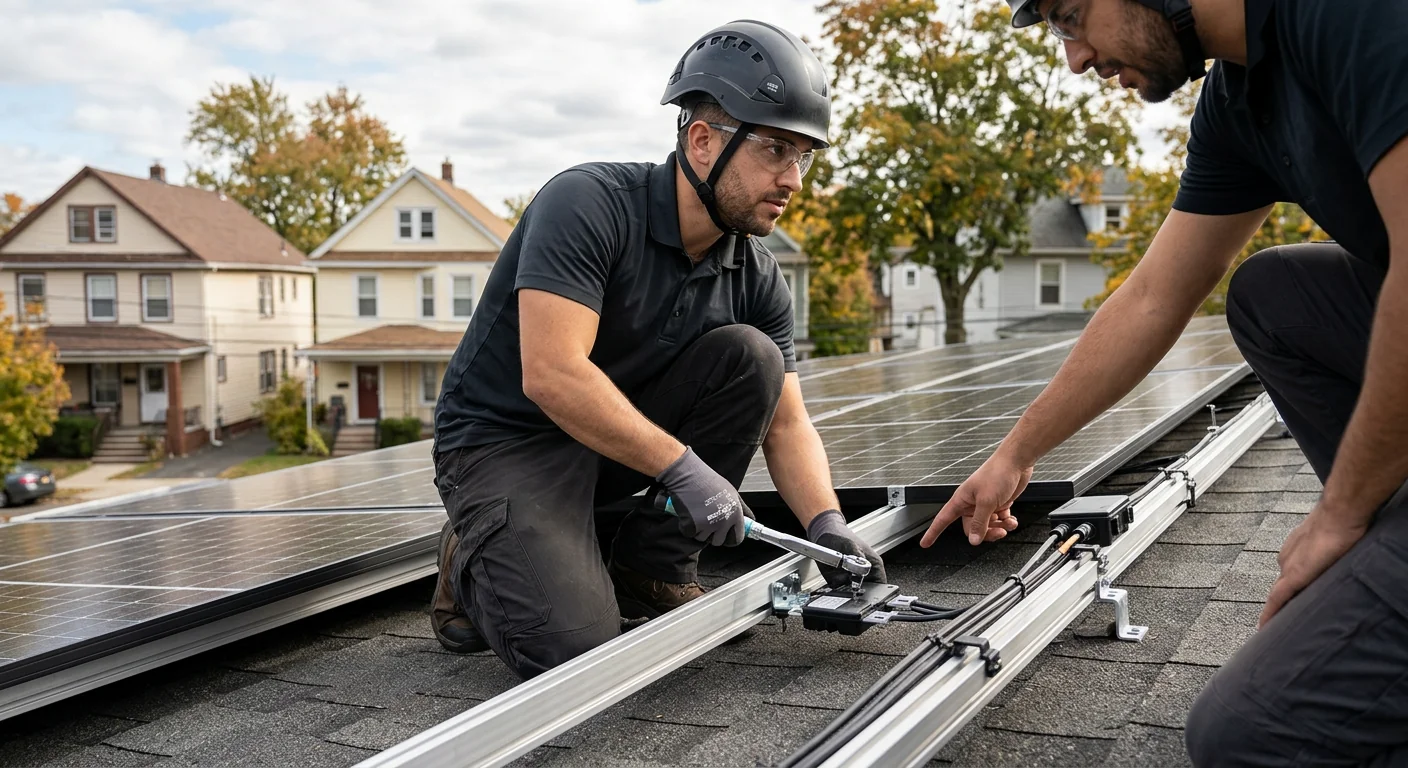
Newark Solar Panel Installations stands for careful, process-driven solar work built on accurate site evaluation and industry-standard workmanship. Our team pairs trained technicians with professional-grade tools to assess roof structure, measure array placement, and confirm electrical readiness before a single panel is set. Precision matters here. As we move through 2026, our commitment to Newark homeowners remains grounded in methodical inspection, clean execution, and quality checks at every stage rather than broad promises. The sections below walk you through our background, hands-on experience, and the service standards that shape how we approach each installation.
Click Me to Call: (973) 782-0505Get in Touch
- Our Background -
Our Solar Background
Built around residential and light-commercial photovoltaic work, this company focuses on the details that determine long-term system performance: rafter spacing, roof load capacity, panel orientation, and inverter placement. What shaped us was the work itself. Repeated exposure to Newark roof types, varied electrical panels, and local permitting requirements taught our technicians how careful load calculations and structured wiring layouts prevent problems years later. We built our practice around Newark clients who want their questions answered with measurements and inspection findings rather than vague assurances. Our technical approach emerged from field experience, not a slogan, refined through inspection procedures, string sizing checks, and consistent torque verification on every mounting point. Entering 2026, that same discipline guides how we evaluate each property and sequence each installation across Newark neighborhoods.
Click Me to Call: (973) 782-0505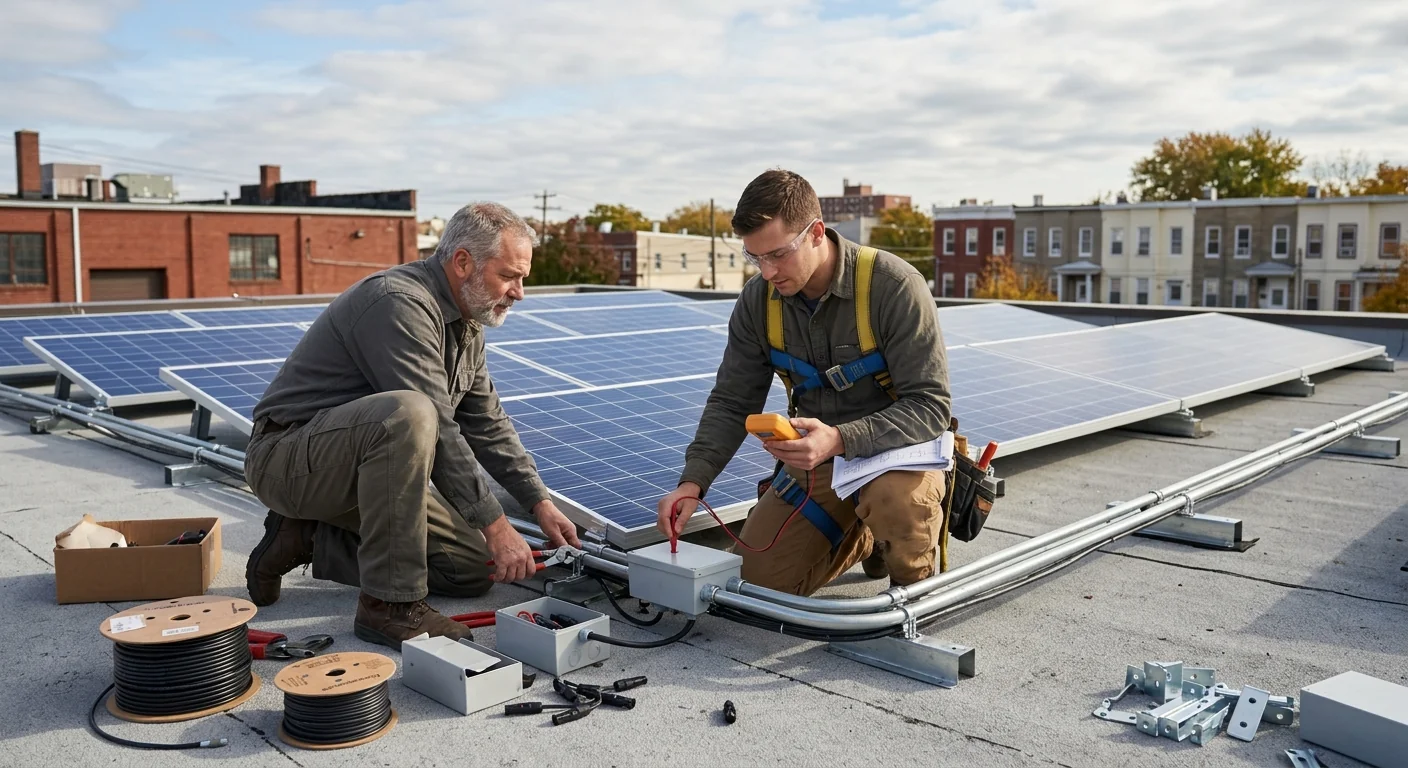
What Experience Do We Bring to Newark Properties?
We bring hands-on experience across a wide range of Newark roofing materials, electrical configurations, and array layouts, which shapes how we plan every photovoltaic installation. Our technicians have worked through asphalt shingle, flat membrane, and tile roof conditions, adjusting flashing methods and mounting hardware to match each surface. Older Newark homes often require careful service panel evaluation and load calculations before any solar interconnection is approved. That range of conditions sharpened our inspection habits.
Over time, our technique evolved as inverter technology, module efficiency, and rapid-shutdown requirements changed. Working through 2026, we continue refining string sizing, conduit routing, and grounding procedures to meet current electrical standards. Each project ends with a documented walkthrough so Newark homeowners understand exactly what was installed and why. Experience shows in the details we check twice.
How Are We Equipped for Newark Properties?
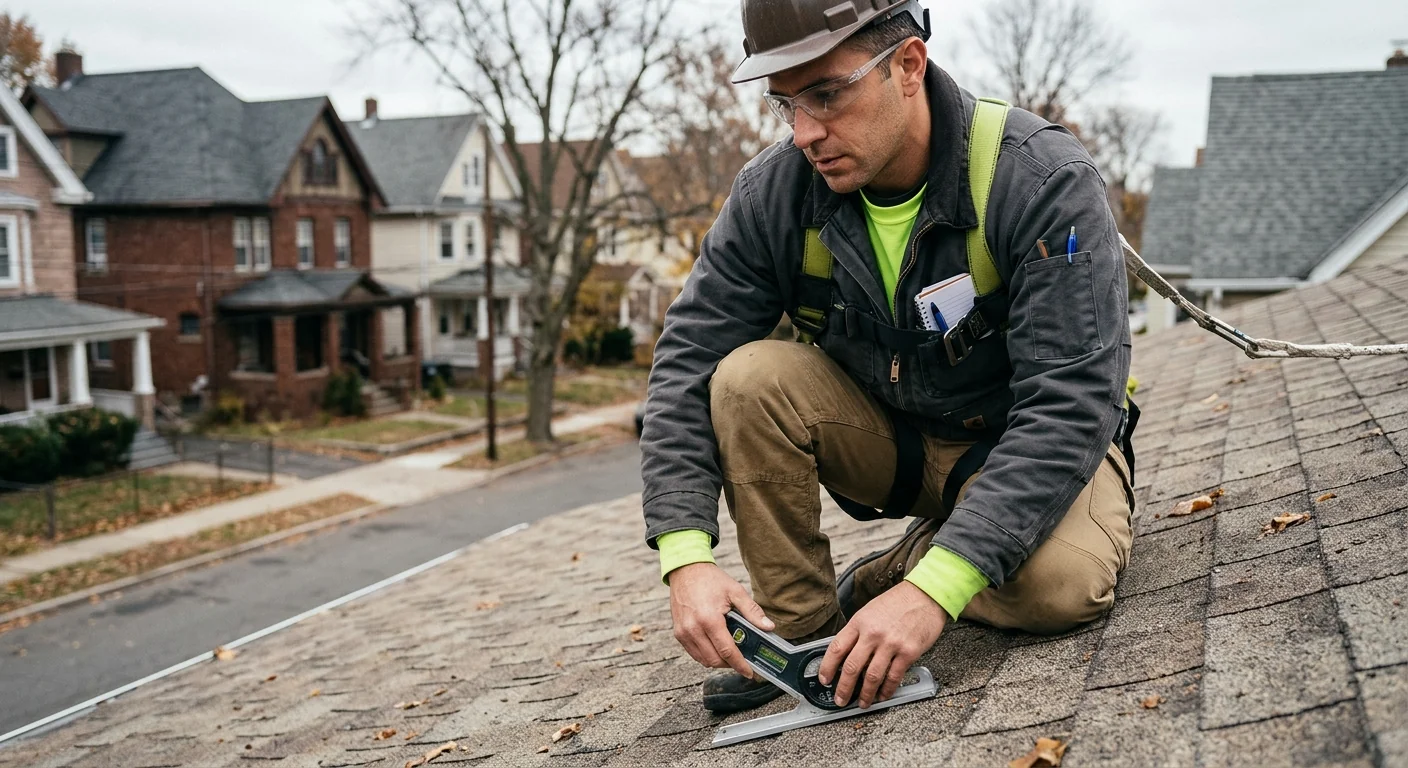
Newark rooftops vary widely, from older multi-family homes near the downtown core to newer single-family builds toward the outer edges of the city. That range shapes how we prepare. Our crews evaluate roof pitch, decking condition, and rafter spacing before any solar array layout is confirmed, because a flush-mount system on aged sheathing calls for different fastening and flashing decisions than a newer structure. Seasonal weather in Newark also factors in heavily. Summer heat affects module output and wiring tolerances, while winter wind loads and snow accumulation influence mounting-rail placement and attachment spacing, so those conditions are measured during the site assessment rather than assumed. Every 2026 job begins with these checks.
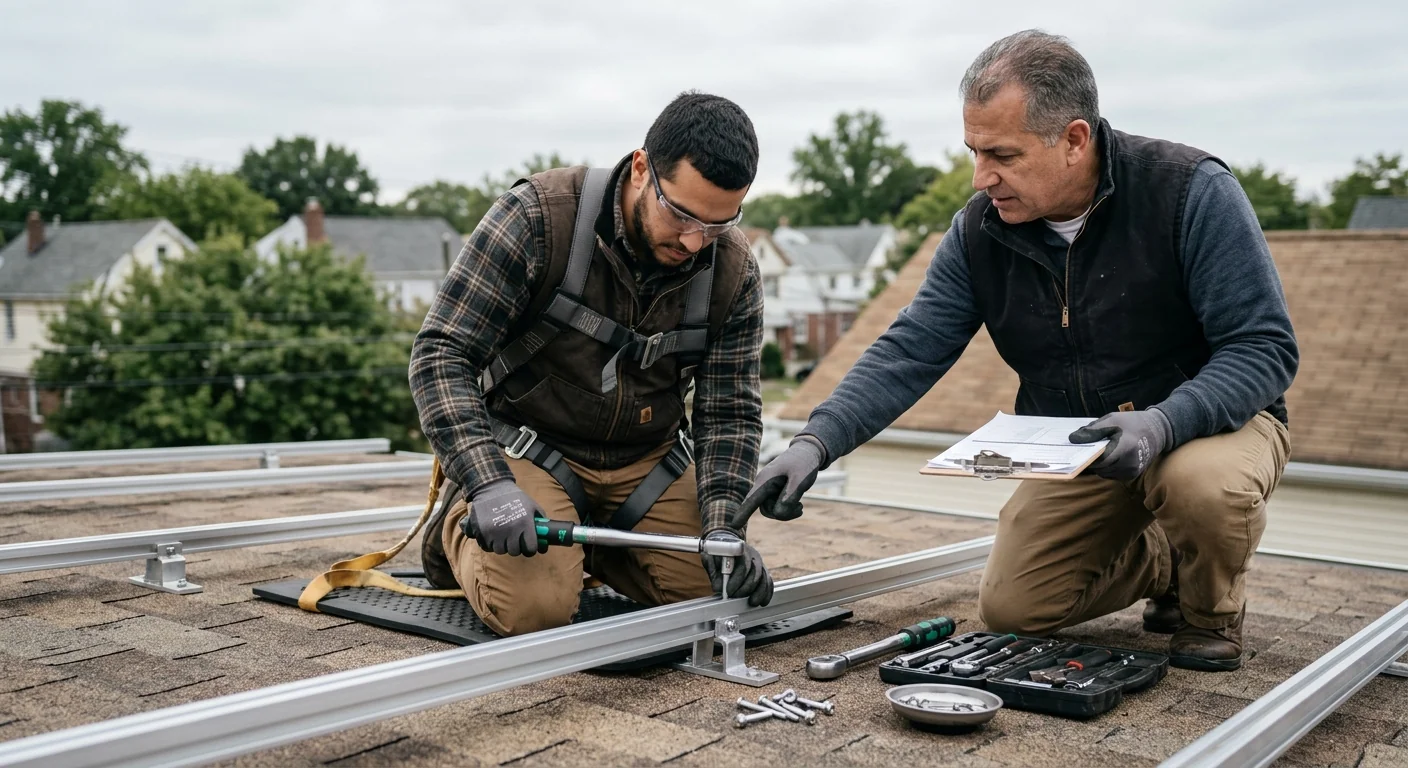
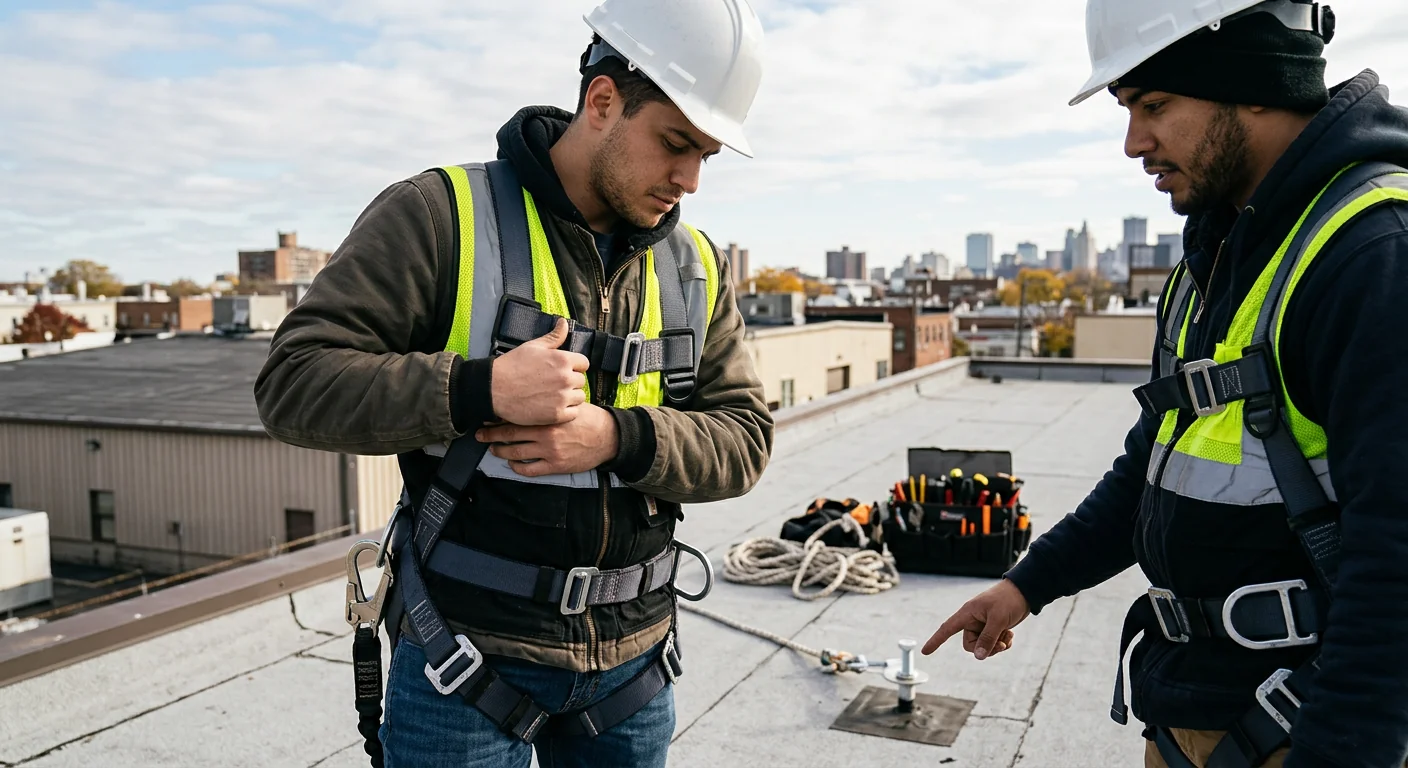
Equipment selection follows the same disciplined sequence. Trained technicians rely on shading analysis tools, string-layout planning, and irradiance readings to position panels for consistent production across the day, and fall-protection harnesses and roof anchors are inspected before each climb. Tools are checked at the start and close of every workday, and torque values on rail hardware are verified against manufacturer specifications rather than done by feel. For properties on higher ground toward the western sections of the city, we account for exposure and wind direction when spacing mounts. Careful preparation reduces surprises. This is how equipment decisions stay matched to Newark conditions.
Customer Commitment
What Can Newark Customers Expect From Us?
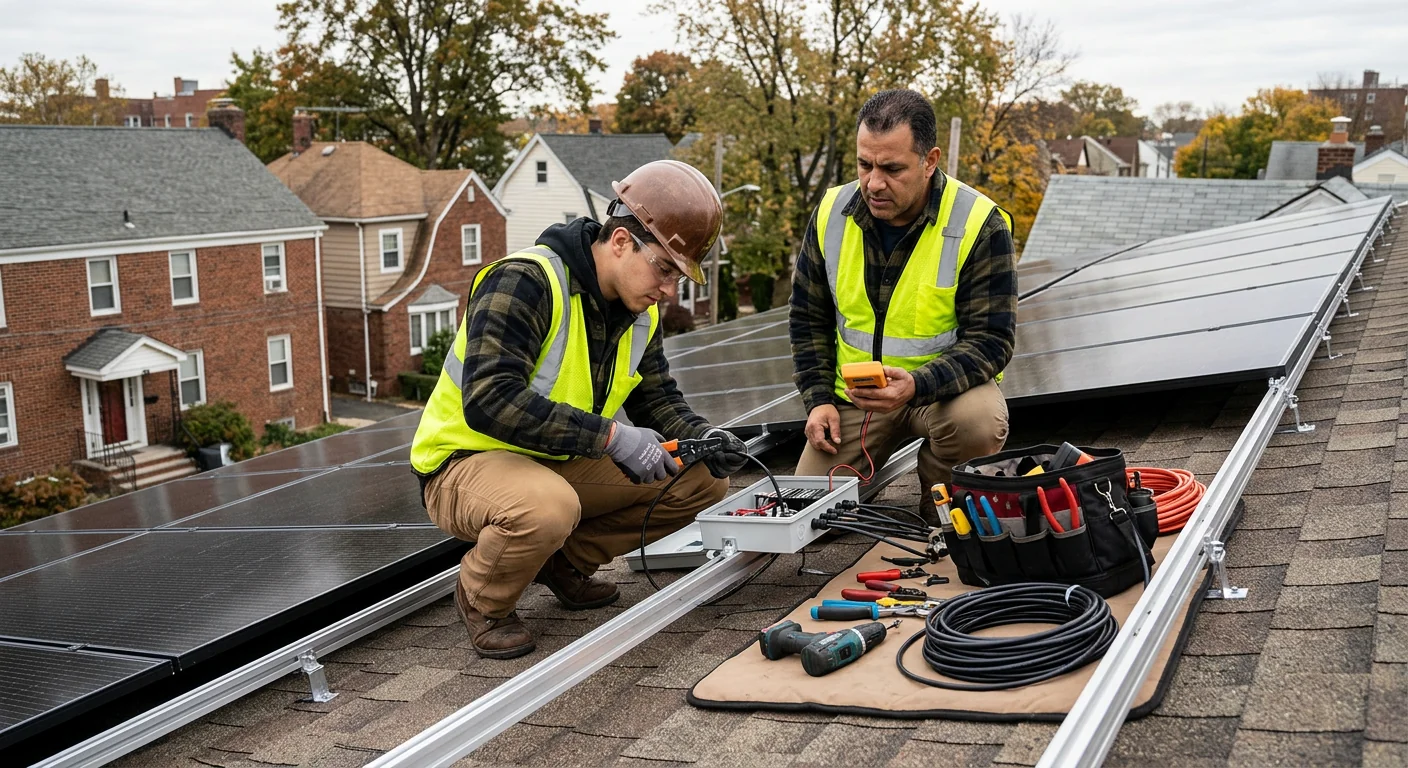
Newark homeowners can expect a clear, documented process from first contact through final walkthrough. Every project starts with a written estimate that lists the scope, materials, and pricing in plain terms, so there are no surprises once work begins. We schedule arrival windows and keep to them, and we protect finished surfaces, landscaping, and roof edges while equipment moves in and out. Trained technicians follow a set inspection and installation sequence, verifying wiring connections, mounting torque, and array alignment against manufacturer standards before a system is energized. Photo documentation records key stages of the job, and a post-job walkthrough covers what was done and how the system operates. Throughout 2026, that same order of steps applies to each installation, because consistent procedure is how quality holds up over time. Follow-through matters. If a question comes up after the crew leaves, we address it directly.
Solar Service Across Newark
Newark Solar Panel Installations serves properties throughout the city, from Downtown Newark to the northern, southern, and western sections, along with several nearby communities. Our crews handle both residential rooftops and commercial buildings, adjusting mounting methods and array layouts to match each structure. Coverage stays local for a reason.
Familiarity with Newark's mix of older row homes, multi-family properties, and newer construction helps us plan panel placement, flashing details, and wiring runs with fewer unknowns. Knowing how local terrain, roof exposure, and seasonal weather affect production lets us position systems for steady output and clean, precise installation.